
Enhancing Wellbeing Through Stretching: A Guide for Desk Workers
Long hours at a desk can quietly take a toll on your body. Tight necks, rounded shoulders, jaw tension, sore lower backs and stiff hips are all common complaints among office workers. The good news? A few simple, targeted stretches each day can make a noticeable difference. And it won't take as long as you think!
Regular stretching helps reduce muscle tension, improve posture, increase circulation and prevent everyday aches from becoming ongoing pain. Below are easy, office friendly stretches you can do at your desk or during short movement breaks.

Why Desk Workers Need to Stretch
Prolonged sitting and screen time can lead to:
• Forward head posture and neck strain
• Tight shoulders and upper back tension
• Jaw clenching and tension or stress-related headaches
• Stiff hips and lower back discomfort
• Reduced circulation and fatigue
Stretching helps counteract these patterns and keeps your body moving and feeling better throughout the workday.
Essential Stretches for Office Workers (or almost anyone!)
Neck Side Stretch
Targets: Neck and upper shoulders
• Sit or stand tall
• Gently tilt your head to one side, bringing your ear toward your shoulder
• Keep both shoulders relaxed
• Hold for 20–30 seconds
• Repeat on the other side
Levator Scapulae Stretch
Targets: Side/back of the neck and shoulder blade
• Sit tall with shoulders relaxed
• Turn your head about 45° to the left
• Gently tuck your chin down toward your chest
• Place your left hand on the back of your head for light pressure
• Hold for 20–30 seconds
• Repeat on the right side
💡 You should feel this along the side of the neck and into the top of the shoulder blade.
Gentle Shoulder Circles
Targets: Shoulders and upper back
• Sit or stand comfortably
• Slowly roll your shoulders up, back and down in a smooth circle
• Perform 8–10 circles
• Reverse the direction and repeat
This helps release stiffness, improve circulation and reduce shoulder tension from prolonged sitting.
Jaw Relaxation Exercise
Targets: Jaw, face and neck tension
• Sit comfortably and take a slow breath in
• As you exhale, gently let your jaw drop
• Allow your tongue to rest on the floor of your mouth
• If helpful, lightly massage the jaw muscles with your fingertips
• Repeat for 3–5 slow breaths
💡 Jaw tension often contributes to neck pain and headaches, relaxing it can have a surprisingly big impact.
Seated Spinal Twist
Targets: Mid and lower back
• Sit tall with feet flat on the floor
• Place one hand on the back of the chair
• Gently twist through the spine, looking over your shoulder
• Hold for 20–30 seconds
• Repeat on the other side
Seated Hip Flexor Stretch
Targets: Hips and lower back
• Sit toward the edge of your chair
• Step one foot slightly back
• Gently shift your weight forward until you feel a stretch at the front of the hip
• Hold for 20–30 seconds
• Repeat on the other side
Wrist and Forearm Stretch
Targets: Wrists and forearm
• Extend one arm straight in front of you
• Use the opposite hand to gently pull the fingers back
• Hold for 15–20 seconds
• Repeat with fingers pointing downward
• Switch sides
Ideal for anyone who types or uses a mouse throughout the day.
How Often Should You Stretch?
For best results:
• Stretch every 2-3 hours
• Keep it gentle and pain-free
• Aim for 5–10 minutes total across the workday
Small, regular movement breaks are far more effective than one long stretch session.
When Stretching Isn’t Enough
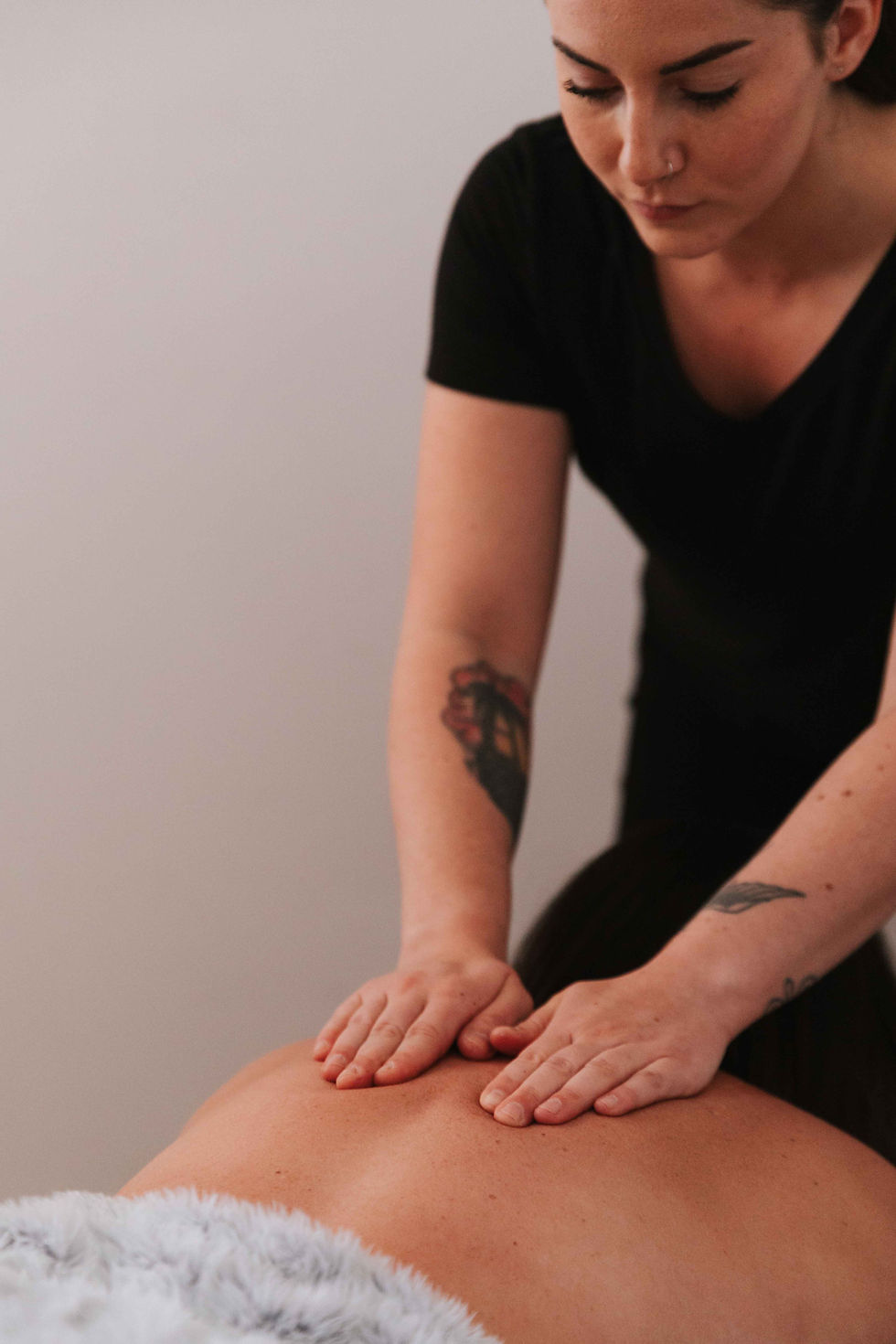
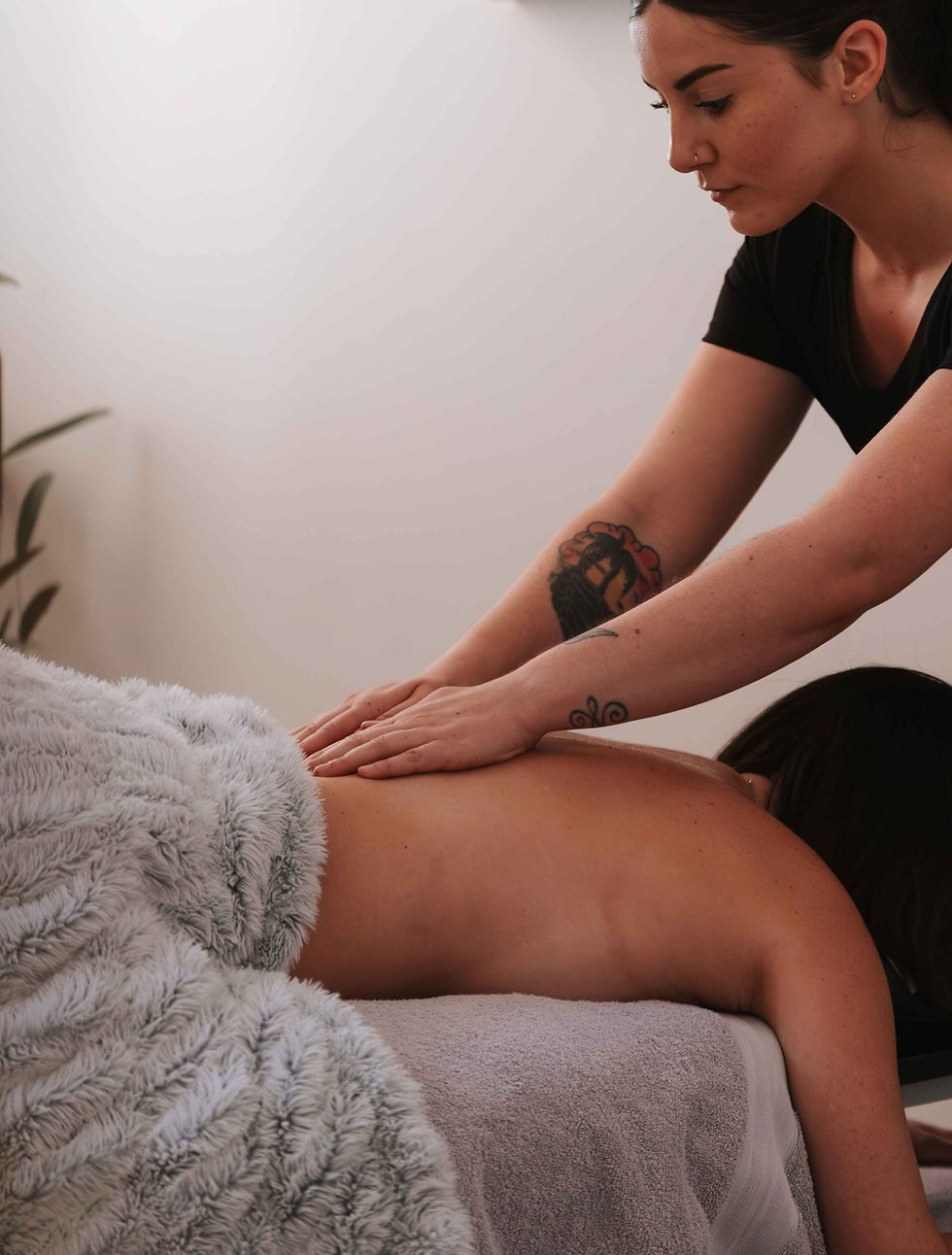
While stretching is essential, ongoing pain, headaches or persistent tightness may indicate deeper muscle tension or postural issues. Your therapist can help identify the root cause, release tight muscles and create a personalised treatment plan tailored to your work demands.
Feeling tight or sore from desk work?
Book a session today and let us help you unwind the tension from those countless hours at your desk.
Please note, this advice is general in nature and stretches will not be suitable for everyone.

Comments